New report: Kerbside Greening - the most beautiful way to manage extreme heat in our cities
Reallocating car parking spaces for planting trees and other greenery is an effective way that local authorities can create greener, healthier streets that are better prepared for a changing climate.
In recent weeks we have experienced yet more record-breaking temperatures. It’s clearer than ever that climate change is no longer a distant threat - the effects are already being felt on our streets.
As such, climate action is no longer only about reducing carbon emissions. It’s about adapting our towns and cities in ways that make them safer, cooler and more resilient to climate impacts including extreme heat and flooding.
Today, we've published new research with the University of Westminster's Active Travel Academy exploring one practical solution that can help us do exactly that: kerbside greening.
What is kerbside greening?
Put simply, this is about swapping parked cars for trees and other greenery on our streets.
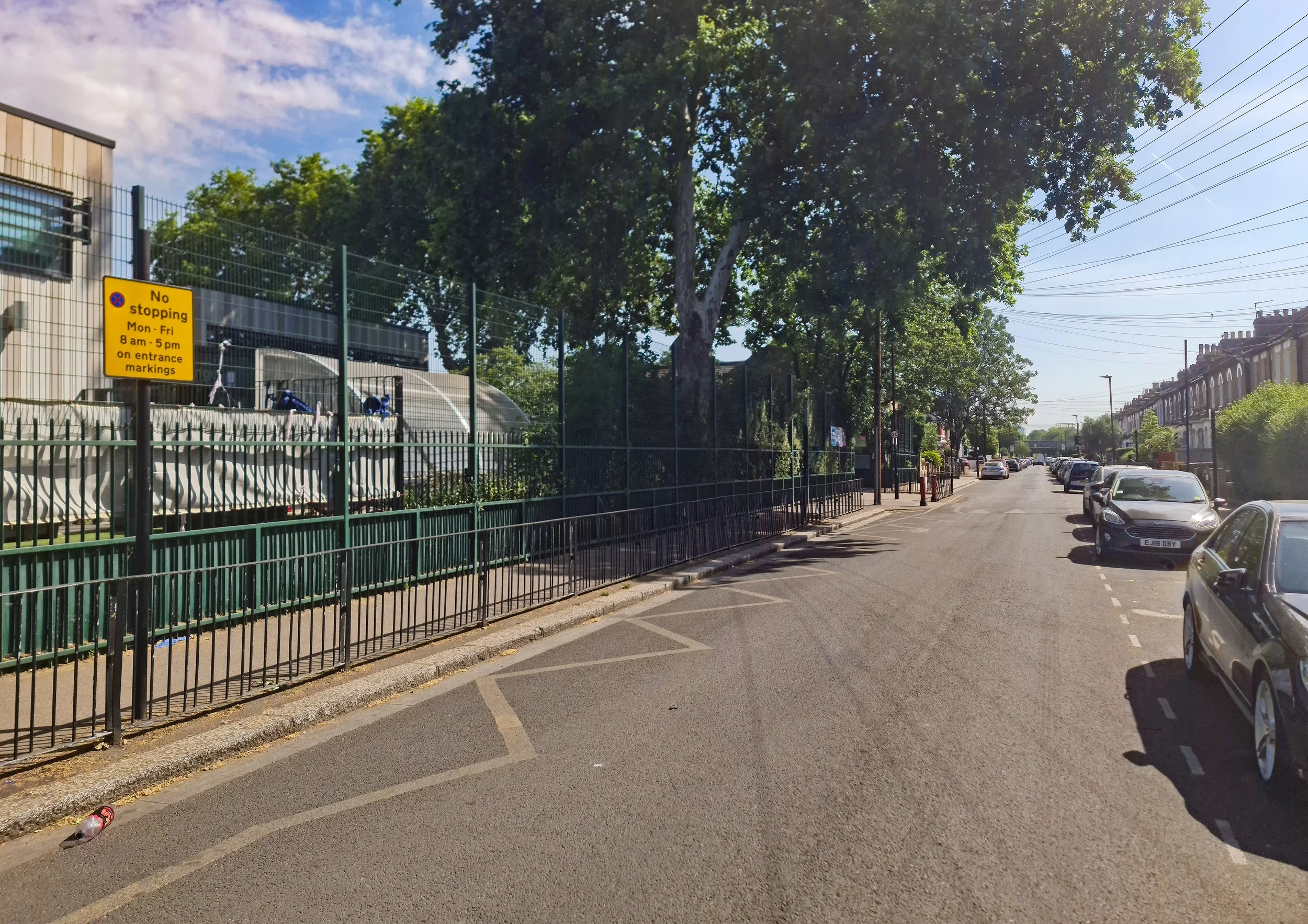
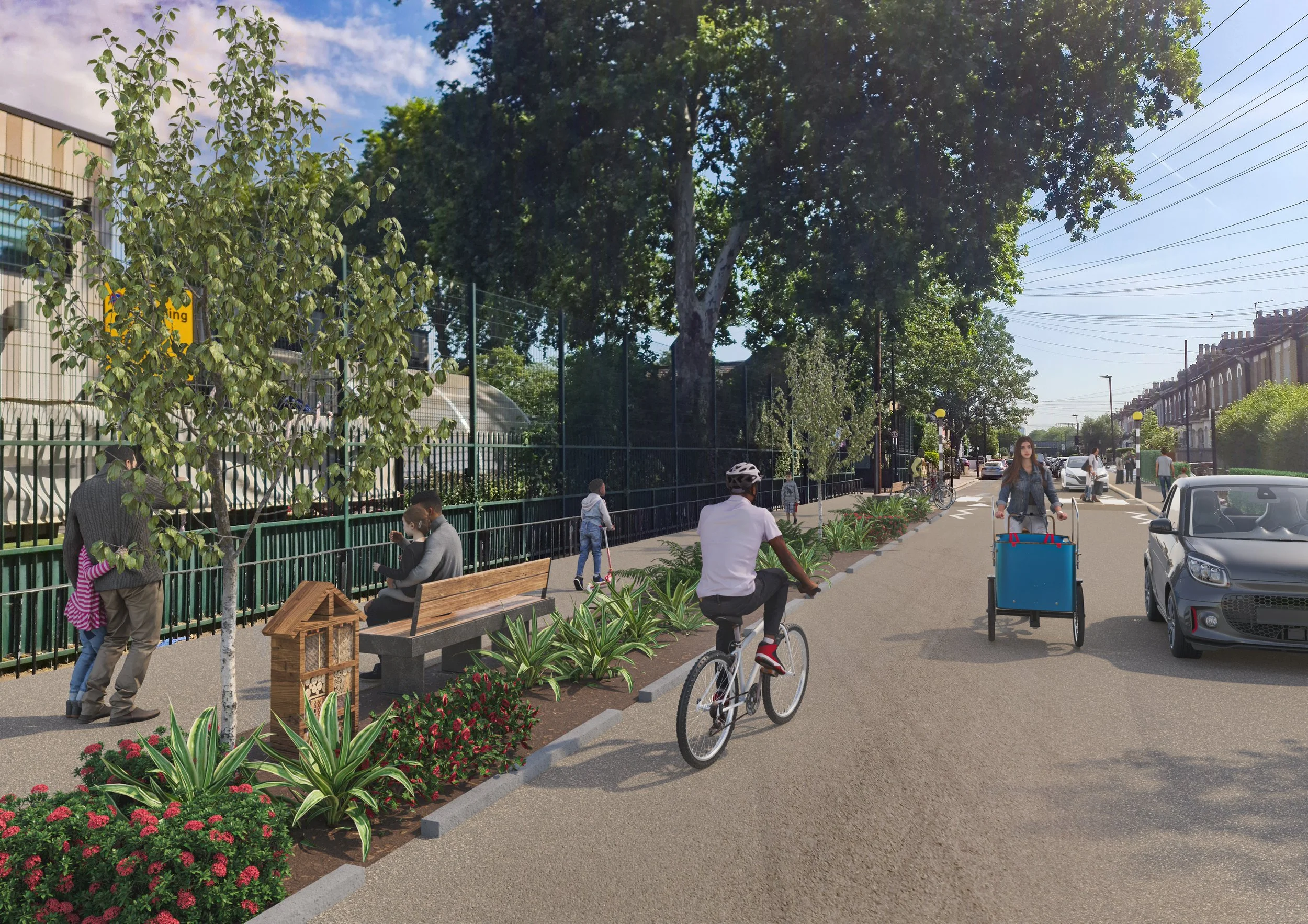
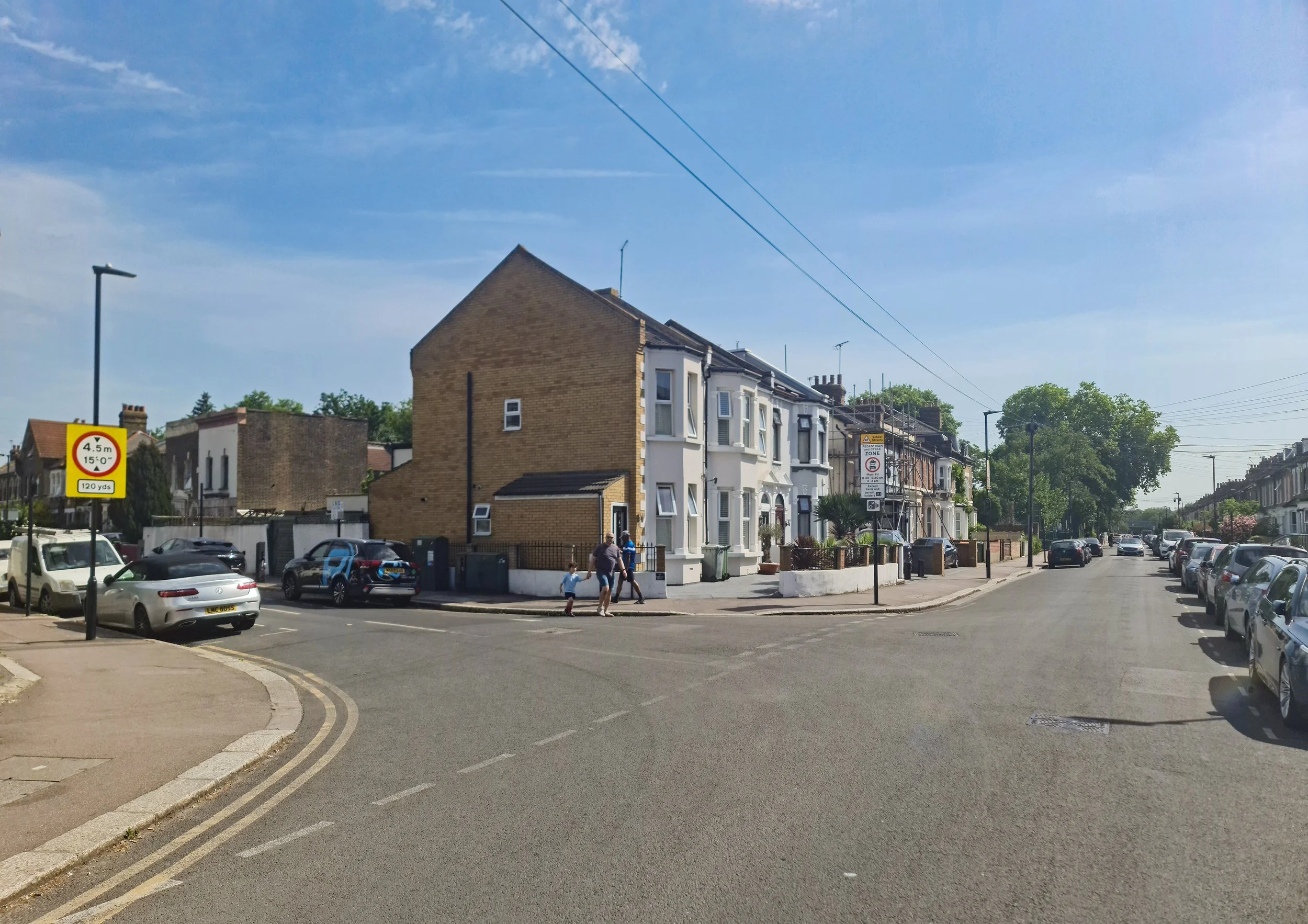
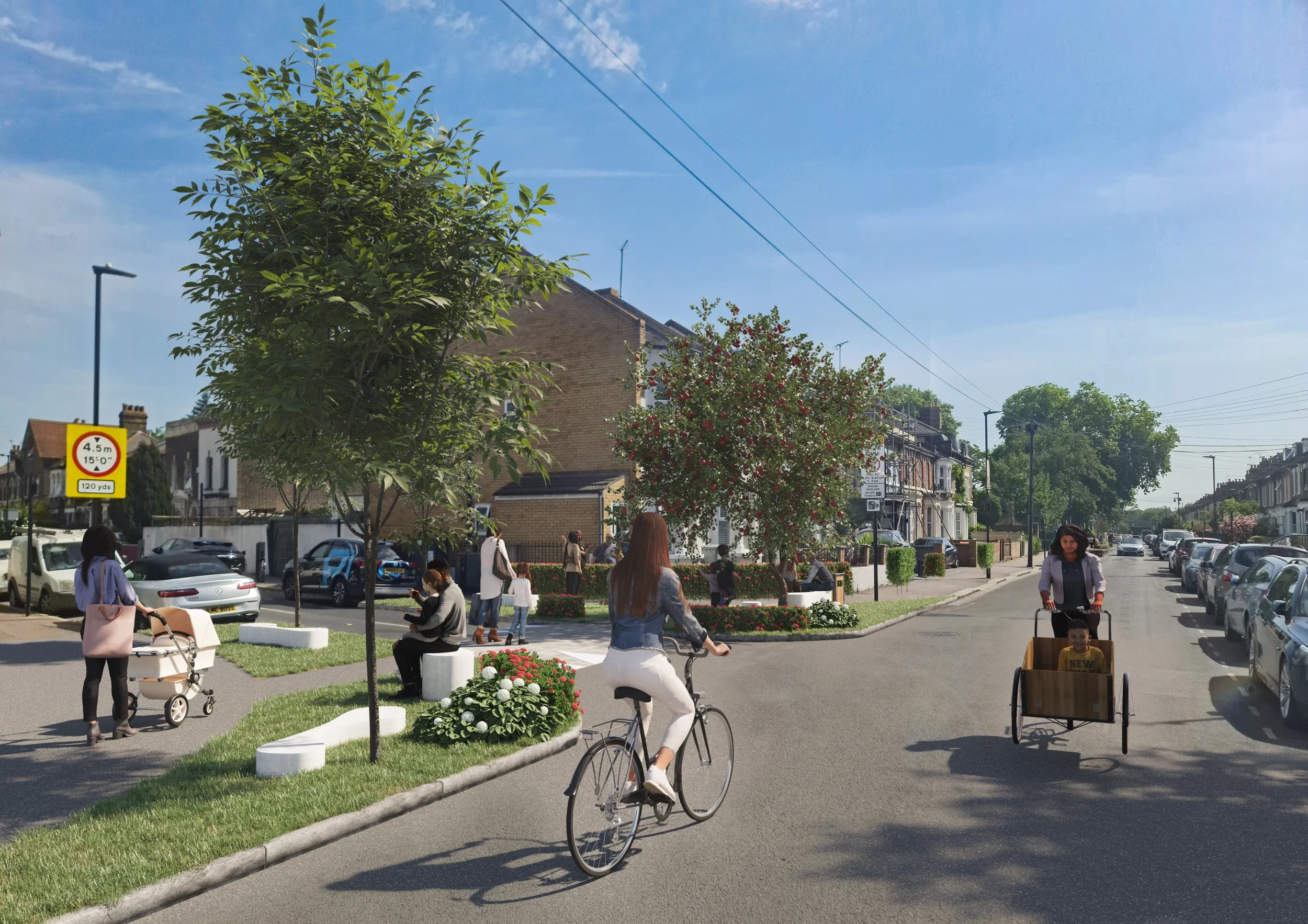
Instead of storing cars, sections of the kerbside can be used for trees in kerb build-outs (like the pictures below) or rain gardens which help manage surface water and reduce flood risk.
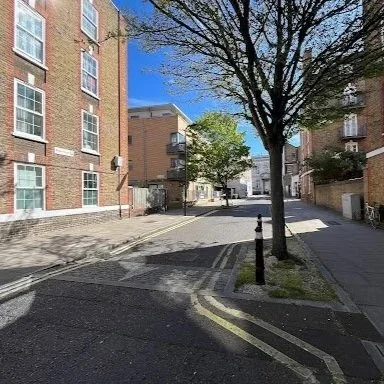
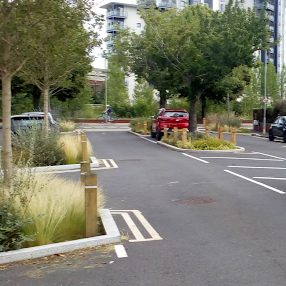
How greening will make a more climate resilient capital.
Extreme heat is becoming one of London's biggest climate risks.
During recent heatwaves, some unshaded London streets reached surface temperatures of 57°C. These temperatures make walking uncomfortable and, for many people, dangerous.
The impacts are not shared equally. More than half of England's 30 local authorities most at risk from extreme heat are in London, and within the capital, people on lower incomes, people of colour, disabled people, older people and children are disproportionately likely to live in neighbourhoods with fewer trees and less shade. As such, access to cooler, greener streets is increasingly becoming an issue of climate justice.
Trees are one of the simplest and most effective ways to cool our streets.
They provide shade that protects people from direct sunlight, while also cooling the surrounding air through a natural process called evapotranspiration. Research shows that tree canopy can reduce street temperatures by as much as 8°C during the day, while streets with mature trees can remain up to 5°C cooler overnight than streets without them.
In our research workshops, we learned this was really important to residents of some of London’s hottest streets. The communities we worked with said they value greener streets not simply because they look better, but because they make everyday life safer and more enjoyable. Parents want shaded routes to school. Older people want places where they can comfortably walk and rest during hot weather. Residents want neighbourhoods that are better prepared for increasingly frequent heatwaves.
Why the kerbside?
It is not easy to find suitable space to plant trees In inner London (which is where street trees are most needed). Historically, urban greening has usually involved planting trees on pavements. However, the space taken up by trees can leave the footway too narrow, and the roots of mature trees often lift the pavement. Both of these issues can make it difficult if not impossible for people to use some footways, especially for Disabled people, visually-impaired people, and children in pushchairs.
We must rethink our road space and start prioritising greenery over parked cars.
Most people in inner London don’t own cars, especially in those areas which are most in need of kerbside greening. And London’s authorities hope to reduce car use anyway, in order to reach our climate and air quality targets. As such, parking spots offer us an opportunity.
Rather than forcing pedestrians into the road, kerbside greening allows us to improve accessibility and introduce much-needed shade at the same time.
What’s next? How can we make this happen?
Off the back of this research project, some of the communities we worked with are already working on implementing kerbside greening on their streets. Together we created visions for what their ideal streets would look like, and the next step will be for the council to work towards making these visions a reality.
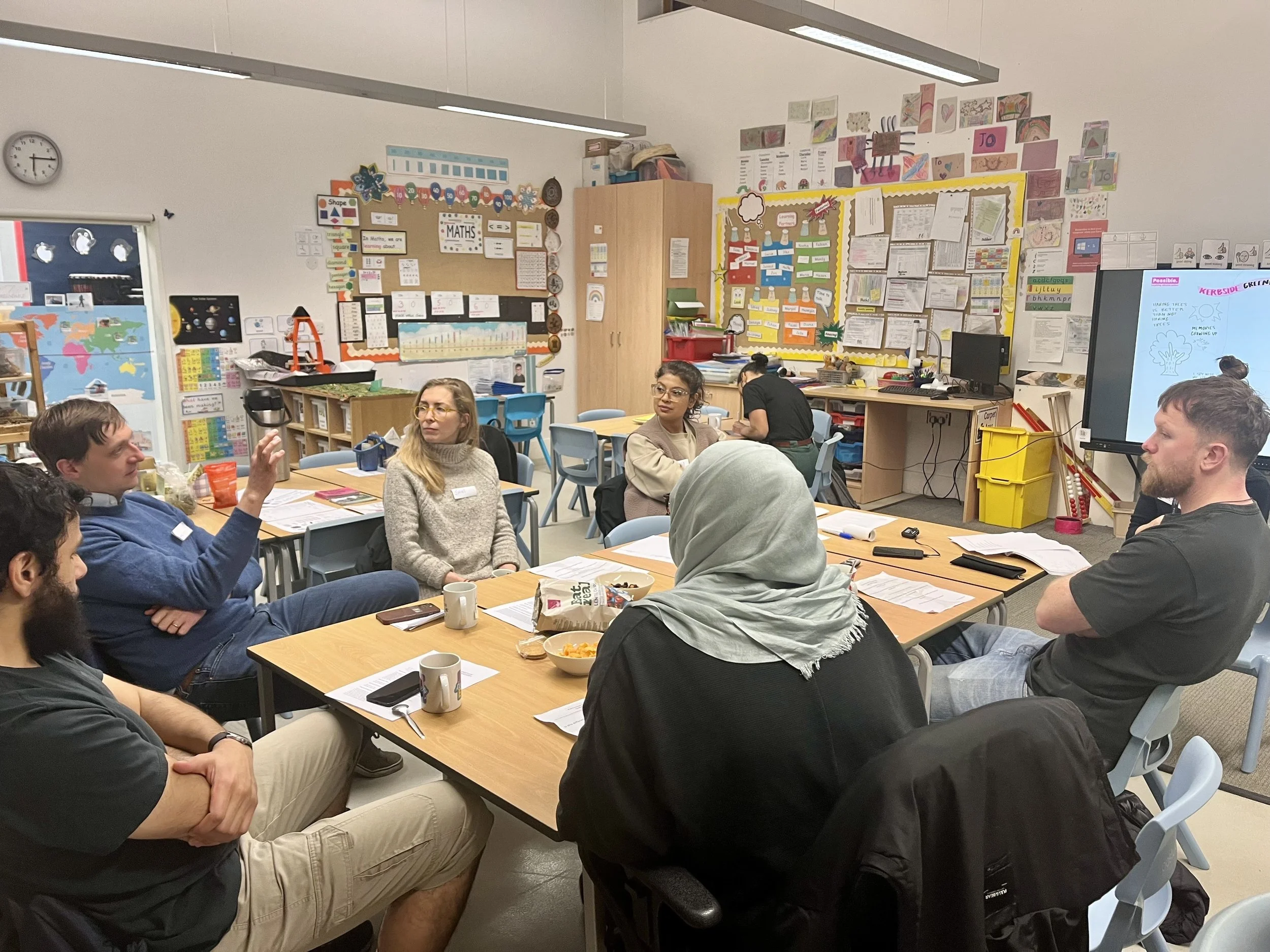
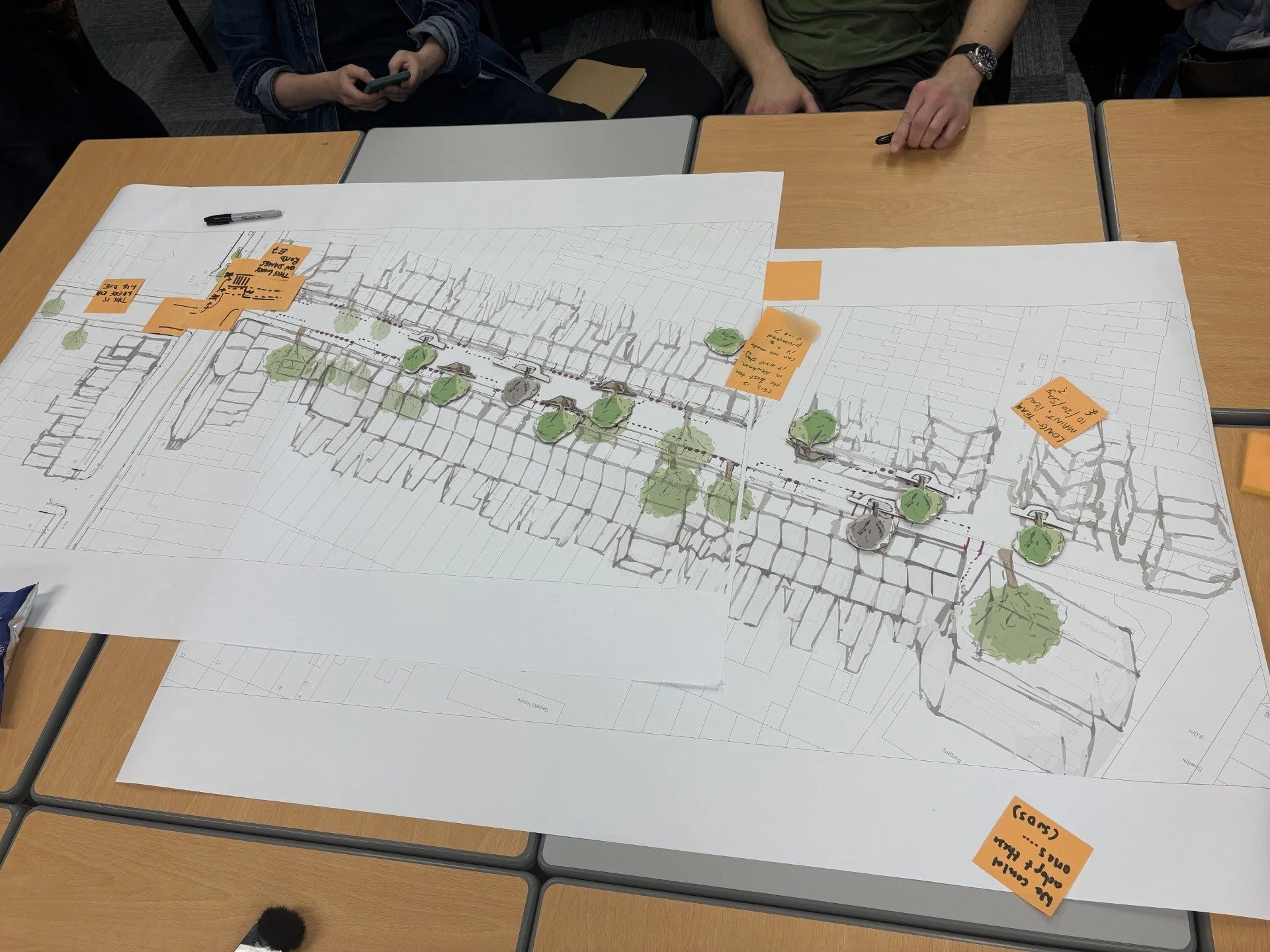
Now, we want to help more communities across the city to do the same.
Reallocating car parking spaces for planting trees and other greenery is an effective way that London’s local authorities can create streets that are cooler, healthier, more accessible and more resilient for generations to come.
By exploring opportunities and challenges in kerbside greening efforts, and offering recommendations, our new report is designed to inspire and equip decision makers to create greener, cleaner, more accessible streets in their areas.
Is the kerbside in your street in need of greening?
Pop your details into the form below to send our report to your local councillors asking them to make kerbside greening a priority in your area.
If you're in London, you can use our interactive map to explore your local area and see where kerbside greening is most needed.
This project is funded by the City Bridge Foundation. For more information contact carolyn@wearepossible.org.