

We teamed up with food delivery riders to campaign for cleaner vehicles like legal e-bikes, better pay, and safer cycle infrastructure in UK cities.
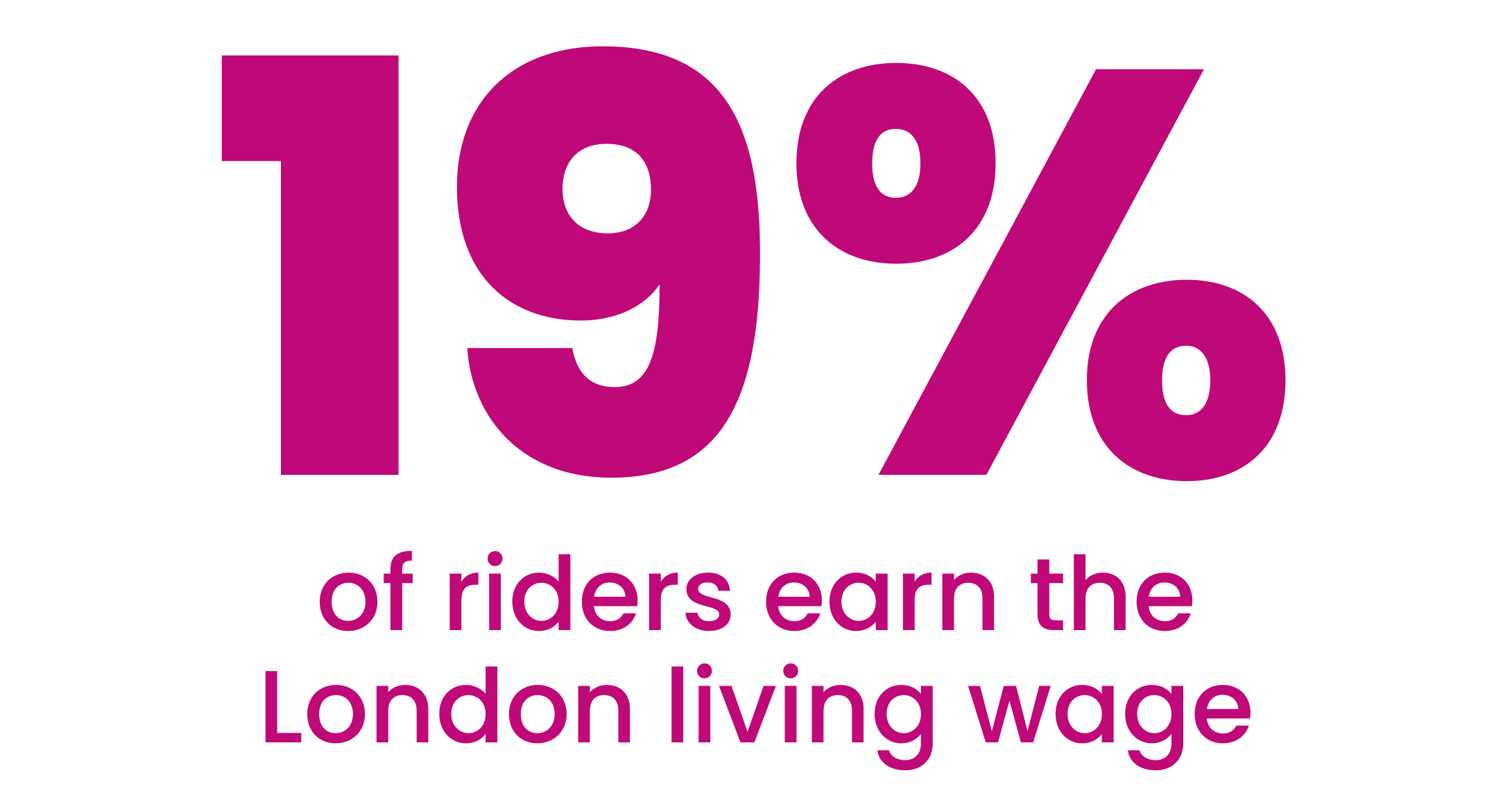
Popular food delivery services often rely on their riders to use their own, personal motorbikes, and bikes to deliver food. The work is often unsafe (facing the full brunt of road danger and air pollution) and insecure (with some people earning as little as £2 an hour).
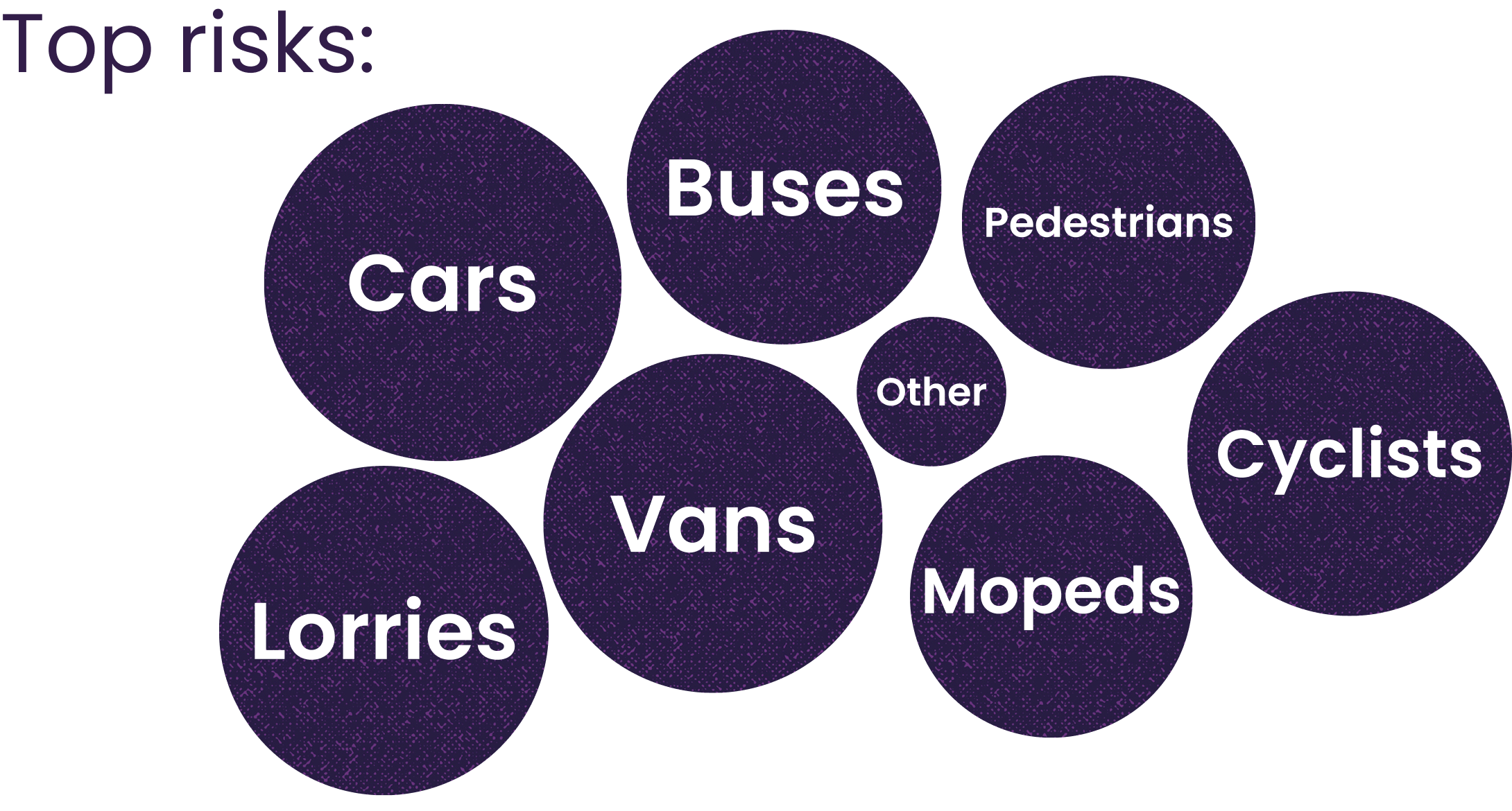
We need a just transition in every part of the economy, and that includes making sure the voices of these key workers are being heard when we talk about how we share the roads and manage traffic, and what needs to be done to make their work safer.
Through this project we worked with riders and IWGB (the trade union for couriers and food delivery riders) to understand perspectives on their work - including the need for safer cycleways and less-polluting modes of transport, like e-bikes. Amplifying the voices of gig economy workers helps us to inform policymakers and food delivery companies about how and why to transition to safer and cleaner alternative modes of transport.




Impact timeline:
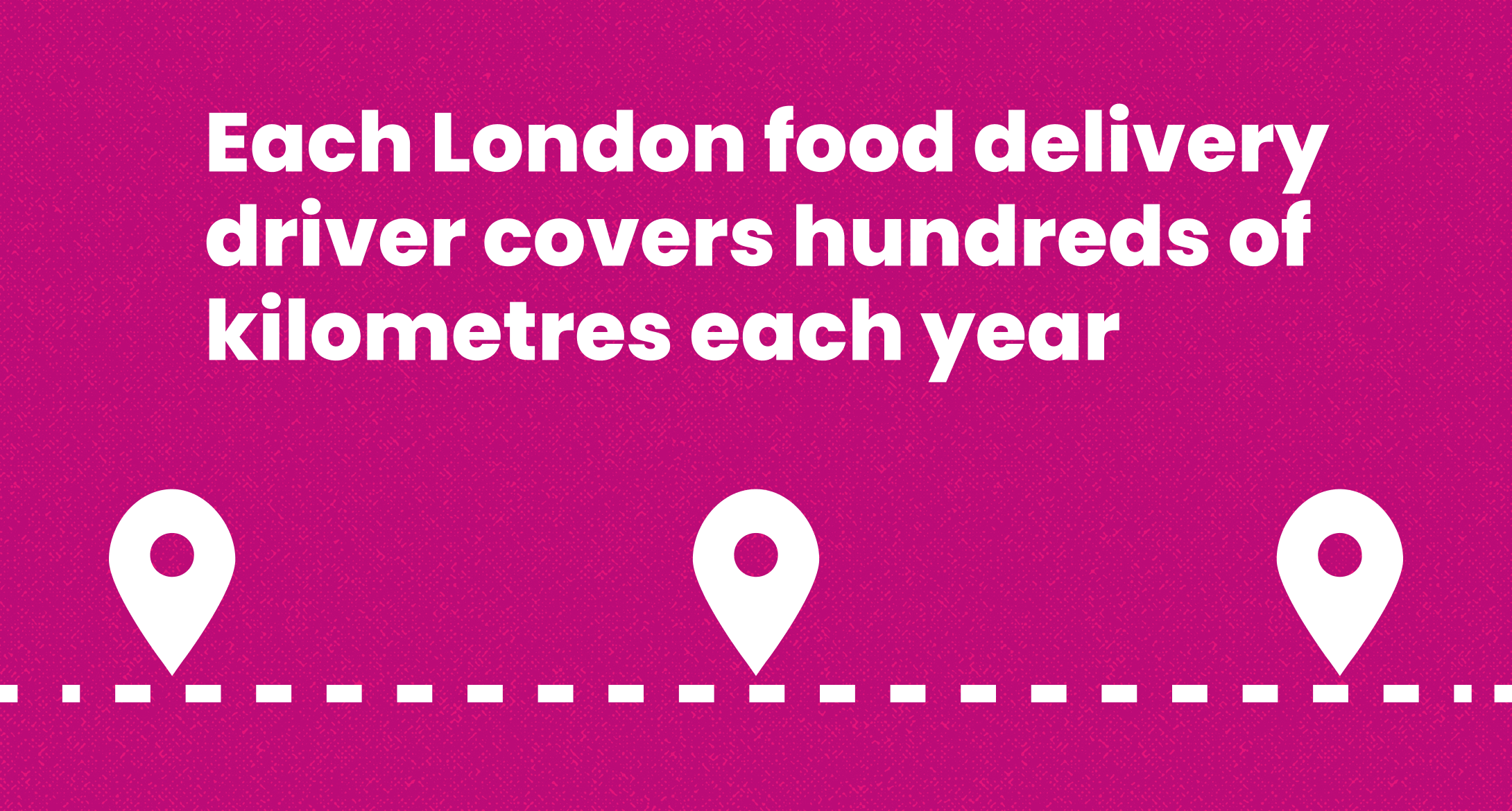
In November 2024 we reported findings from surveying couriers in the city, helping us understand the realities of food delivery work.
The research focused on their safety, transport choices, and what can be done to make this work better for both people and the planet, and the findings help us push for improved cycle infrastructure, better pay and conditions, and practical support for safe and legal e-bikes.

In spring 2025, we put our attention to sharing the stories and recommendations from the report.
As well as speaking up on podcasts and at conferences, we supported delivery riders to be their own media spokespeople. Large media outlets including The Guardian and The Metro shared stories that raised the profile of this campaign and ensured the voices of cycle couriers are included in debates around transport infrastructure.
By summer 2025 our campaign had influenced governmental decision makers.
Referencing our research findings and those of dozens of other organisations, the All-Party Parliamentary Group for Cycling and Walking published a report on the use of e-bikes in food delivery. The report finds that:
“There is broad agreement across the piece that illegal and dangerous e-bike use is being driven largely by the business practices of delivery app firms that place pressure on riders to make as many deliveries as they can, simply to earn a minimum level of income.” (page 33).
In July 2025, Caroline Russell (Green Party London Assembly member) published a report on what would need to happen to end road deaths in London. We were pleased to see that this report specifically highlighted delivery workers as an at-risk group, and explicitly called for all of Hot Wheels’ recommendations to be implemented.
In autumn 2025, we kept these conversations alive.
We convened a number of organisations at a roundtable to discuss issues of pay and working conditions, road danger, pollution, unsafe vehicles, and climate emissions in the food delivery sector. The discussion was lively and we left with a renewed sense of the problems and opportunities in the gig economy.
We also met with Transport for London and a number of councillors to discuss findings from and perspectives on our research.
Now what?
Our funding for this project has now come to an end, but we are committed to continuing our campaigning for a just transition in every part of the economy. If you’ve got an idea for us, get in touch.
Love what we’re doing?
At Possible, our vision is a zero carbon UK, built by and for everyone. We show people and politicians across the country that this is possible, and inspire practical action to make sure we get there at the speed required.
As a registered charity, we rely on donations from people like you.
If you can, please consider donating just £3 a month to support our work.
This project was funded by Impact on Urban Health, and delivered in partnership with IWGB, Green Gumption and the Road Danger Reduction Forum.